




Board Game Mechanics: Guide and Examples
Board game mechanics are the systems and rules that dictate how a match unfolds and what players can do during their turn. Worker placement, deck-building, drafting, area control, and resource management are some of the most common mechanics found in modern board games.
Understanding these concepts gives you a clearer picture of how a game functions and, above all, what kind of experience to expect before sitting down to play. In this guide, we break down some of the most essential and popular mechanics, complete with representative game examples.
What Are Board Game Mechanics?
A mechanic is a system of rules that governs how players interact with the game and with one another. Put simply, mechanics are the tools a designer uses to construct the gameplay experience.
For example, if a game allows you to place a pawn on a board space to execute a specific action, you are looking at a worker placement mechanic. If it lets you acquire cards to gradually build a more powerful deck, that is deck-building.
A single game can combine multiple mechanics; in fact, this is standard practice. A Eurogame might feature worker placement, resource management, and engine building all at once, while a family game might pair set collection with tile placement.
That is why knowing a game's mechanics offers insight distinct from simply knowing its genre. A game's type or category describes the overall experience it delivers, whereas its mechanics explain how that experience is constructed.
If you want to learn more about the differences between Eurogames, Ameritrash, cooperative, family, party, abstract, and narrative games, check out our guide on the main types of board games.
How Many Board Game Mechanics Exist?
There is no single, definitive list of board game mechanics. Dozens of different systems and variations exist, and different classification systems often use distinct terminology for similar concepts. The evolution of the hobby has also driven designers to mix and refine established mechanics to forge new experiences.
Some of the most common mechanics you will encounter in board games include:
- Worker placement.
- Deck building.
- Draft.
- Area control.
- Engine building.
- Resource management.
- Set collection.
- Roll & Write.
- Tile placement.
- Hand management.
- Auction and bidding.
- Push Your Luck.
- Hidden roles.
- Deduction.
- Action queue.
- Negotiation.
- Action management.
This list is just a sample of the vast variety found in the hobby. Rather than analyzing every single one, this guide focuses on 12 of the most iconic and essential mechanics in modern board gaming.
What Are the Main Board Game Mechanics?
1. Worker Placement
Worker placement is one of the defining mechanics of Eurogames. Players command a set number of pieces representing workers, characters, or assets, placing them onto specific action spaces across the board to perform tasks.
The core tension lies in limited space availability. When a player claims a specific action slot, they block or penalize others from using it, making the timing and location of every worker placement critical.
Example:Agricola. In this classic Eurogame, players send their workers to various spaces to gather resources, plow fields, breed livestock, or expand their farmsteads. Restricted action availability demands careful, forward-thinking planning every turn.


2. Deck-Building
Deck building involves starting the game with a modest, basic hand of cards and refining it throughout play to forge a increasingly potent deck.
Players purchase stronger cards, integrate powerful combo effects, and cull weaker starter cards. Consequently, your personal deck evolves and transforms as the game progresses.
Example: Hero Realms. In this deck-building game, each player begins with a basic deck that they will improve throughout the match by acquiring new cards. These allow players to gain more resources, boost attack power, or incorporate new abilities, making their deck progressively stronger and more specialized.
3. Drafting
In a Draft, players receive a pool of choices—typically cards or physical components—select one option for themselves, and pass the remaining options to the next player. This cycle repeats until all items have been claimed.
This mechanic weaves together long-term strategy and tactical awareness of your opponents. You must balance picking the best option for your strategy against withholding powerful options from the player next to you.
Example: 7 Wonders. Players start with a hand of cards, select one to build or discard, and pass the hand along. Every decision ripple across the table, influencing what options reach subsequent players.
4. Area Control
Area control pits players against one another in a battle to dominate specific regions of the board. Players deploy units, tokens, or influence markers to secure majorities or fulfill scoring conditions within target territories.
Because the strategic value of regions shifts over the course of the game, controlling the entire board is rarely feasible. Discerning where to concentrate force and when to pull back is the heart of area control.
Example: El Grande. This classic area control title forces players into constant contention over the regions of medieval Spain. Unit positioning and tactical influence play determine the victor.
5. Engine Building
Engine building revolves around constructing an interconnected system that generates resources, victory points, or extra actions with ever-increasing efficiency. While options start small, early decisions compound to unlock high-powered synergies later on.
The reward of engine building is watching a modest early-game setup scale into an unstoppable engine. Players strive to discover synergistic combinations where individual cards or abilities amplify one another.
Example: Terraforming Mars. As players fund projects and play cards, their corporations gain new capabilities and resource yields, powering increasingly ambitious actions. Building that compounding engine is central to the gameplay experience.
6. Resource Management
Resource management spans virtually every board game genre. It entails acquiring, conserving, and spending distinct resource types efficiently to fulfill game objectives.
Resources can take the form of currency, raw materials, food, energy, or specialized tokens required to activate abilities. The primary challenge lies in opportunity cost: spending a resource on one option locks you out of using it elsewhere later.
Example: Catan. Players gather and spend raw materials to build roads, settlements, and cities. Trading resources with opponents adds a dynamic social layer to managing your inventory.

7. Set Collection
Set collection tasks players with gathering specific groups of items to earn points, unlock perks, or fulfill objective cards. Sets might require matching identical items, collecting unique suits, or completing specific numerical sequences.
Its intuitive nature makes set collection a staple in both light family titles and deep strategy games. The tactical depth emerges when deciding which sets to pursue and when to abandon a set for a better opportunity.
Example: Ticket to Ride. Players collect matching sets of colored train cards to claim railway routes across the map. Gathering specific sets serves as the primary engine for scoring victory points.


8. Roll & Write
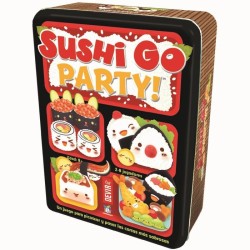
Roll & Write games typically rely on dice rolls to generate shared results, which players then interpret to fill in or mark off elements on their individual score sheets. Everyone works from the same public results, but personal decisions dictate the outcome.
While known for easy-to-learn rules and quick playtimes, Roll & Writes offer engaging puzzles as players optimize every die roll on their sheets.
Example: Virus: Roll & Write. Shared dice rolls dictate available options, requiring each player to mark off numbers on their own pad. It is simple to pick up, yet forces constant evaluation of risk and immediate opportunities.
9. Tile Placement
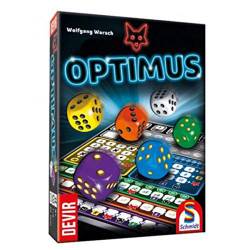
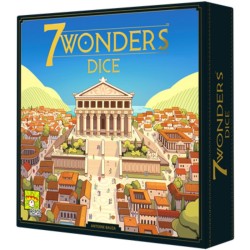
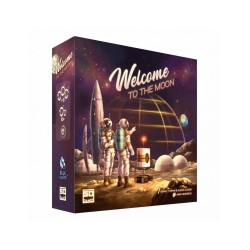
In tile placement games, players take turns adding physical tiles to a growing shared map or constructing their own individual player boards. Tiles often depict landscapes, city structures, roads, or specialized terrain features.
Tile positioning is paramount, as adjacent placements often trigger scoring combos, expand territorial control, or complete spatial objectives.
Example: Carcassonne. Players draw and place land tiles to construct roads, cities, monasteries, and farms. Each new tile reshapes the map landscape and opens fresh scoring paths.

10. Hand Management
Hand management revolves around optimizing how and when to play the cards in your hand. It goes beyond simply dropping your strongest card; it demands precise timing and conserving key utility options for pivotal future turns.
Limited hand sizes create ongoing decision points. Burning a powerful card too early can leave you defenseless when a critical situation demands it later in the match.
Example: Pandemic. City cards are essential for movement and treating outbreaks, but they are also required in sets to cure diseases. Balancing immediate operational needs against long-term cure goals is the core of hand management in Pandemic.

11. Auctions and Bidding
In auctions and bidding, players compete for valuable assets, cards, or turn-order advantages by wagering money, victory points, or resources. Winning the auction is only half the battle; the key is acquiring the item at a price that maintains your strategic profitability.
This mechanic creates direct player interaction and forces you to accurately evaluate asset values relative to your opponents' bankrolls.
Example: Bizarre Bid. Players auction off artworks by different artists and try to buy and sell them to secure the highest possible profit. The value of the artworks depends on the dynamics of the match itself and the decisions made by the players.


12. Push Your Luck
Push Your Luck challenges players to weigh risk versus reward before deciding whether to stop or keep going. You can continue rolling or drawing to compound your winnings, but overextending carries the immediate risk of busting and losing everything gained that turn.
The thrill of this mechanic lies in the psychological balance between securing a safe payout and pushing one step further for a grander prize.
Example: The Grizzled. Players roll the dice and must decide whether to keep pushing their luck to make progress or stop and secure their gains. The chance for greater rewards is always balanced against the risk of losing everything.
Why Do Board Games Combine Multiple Mechanics?
Most modern board games are rarely built around a single mechanic. Designers weave different systems together to create richer gameplay loops where player decisions interconnect seamlessly.
For instance, a game might employ worker placement to select actions, resource management to fund those choices, and engine building to progressively scale resource yields as the match unfolds.
This blending of mechanics explains why two titles sharing a primary mechanic can feel completely distinct at the table. It is not just about which mechanics a game includes, but how those systems interlock to shape player choices.
Do Mechanics Determine a Game's Difficulty?
Not necessarily. A mechanic can be simple to grasp yet form the foundation of a deeply complex game. Conversely, several lightweight mechanics can combine into an intuitive, accessible experience with subtle strategic depth.
Overall difficulty is driven by factors such as rule volume, structural interplay between mechanics, decision space size, and cognitive load.
Therefore, understanding a game's mechanics offers great insight into its flow, but mechanics alone do not dictate how easy or hard it will be to master.
Frequently Asked Questions About Board Game Mechanics
What is a board game mechanic?
A mechanic is a system of rules that defines what players can do and how the game progresses. Worker placement, drafting, and deck-building are common examples.
Can a board game have multiple mechanics?
Yes. In fact, most modern board games blend several mechanics together. The way these systems interact with one another is central to a game's overall design.
What is the difference between a mechanic and a game genre/type?
A game's genre describes the overarching style and experience it offers, while mechanics refer to the specific structural rules used during play. For example, a title can be categorized as a Eurogame while utilizing worker placement, resource management, and engine building mechanics.
What is deck-building?
Deck-building is a mechanic where players begin with a basic, identical set of cards and purchase new cards throughout the match to build a customized, more efficient deck.
What is drafting in board games?
Drafting involves picking one item (usually a card) from a limited pool and passing the remaining options to another player. It requires balancing personal goals against denial-drafting strong options away from opponents.
What is worker placement?
Worker placement is a mechanic where players assign pieces (workers) to limited spaces on a board to perform actions. Because spaces are restricted, claim a spot blocks opponents from taking that same action.
How can I find out which mechanics I prefer?
The best approach is to play a diverse spread of games and take note of which core loops you enjoy most. If you love optimizing efficiency and growth, look into engine building; if you enjoy managing tight constraints, explore resource management or worker placement.
Understanding Mechanics Helps You Discover New Games
Mechanics are one of the most reliable tools for evaluating what a board game truly brings to the table. Knowing that a title features deck-building, drafting, worker placement, or area control gives you an immediate picture of its decision-making loop and general rhythm.
That said, no single mechanic defines the whole experience. The most engaging games weave multiple mechanics together so that every choice carries weight and ripples across the game state.
Once you identify a mechanic you love, use it to explore other titles that feature similar systems. It is one of the most effective ways to curate your collection and discover new favorites in the tabletop world.
Share this content